



Estrogen Receptor/ERR
Estrogen receptors are a group of proteins found inside cells. They are receptors that are activated by the hormone estrogen (17β-estradiol). Two classes of estrogen receptor exist: ER, which is a member of the nuclear hormone family of intracellular receptors, and GPER (GPR30), which is a member of the rhodopsin-like family of G protein-coupled receptors. The ER's helix 12 domain plays a crucial role in determining interactions with coactivators and corepressors and, therefore, the respective agonist or antagonist effect of the ligand. Different ligands may differ in their affinity for alpha and beta isoforms of the estrogen receptor: estradiol binds equally well to both receptors, estrone, and raloxifene bind preferentially to the alpha receptor, estriol, and genistein to the beta receptor. Estrogen and its receptors are essential for sexual development and reproductive function, but also play a role in other tissues such as bone. Estrogen receptors are also involved in pathological processes including breast cancer, endometrial cancer, and osteoporosis. Alternative promoter usage and alternative splicing result in dozens of transcript variants, but the full-length nature of many of these variants has not been determined.
Estrogen Receptor/ERR Isoform Specific Products
All Product Categories
-
Estrogen Receptor/ERR Inhibitors
(133)
View all products
-
Estrogen Receptor/ERR Agonists
(161)
View all products
-
Estrogen Receptor/ERR Antagonists
(107)
View all products
-
Estrogen Receptor/ERR Activators
(51)
View all products
-
Estrogen Receptor/ERR Modulators
(118)
View all products
-
Estrogen Receptor/ERR Chemicals
(2)
View all products
-
Estrogen Receptor/ERR Degraders
(73)
View all products
-
Estrogen Receptor/ERR Controls
(6)
View all products
-
Estrogen Receptor/ERR Ligands
(27)
View all products
-
Estrogen Receptor Proteins
(2)
View all products
-
ER-alpha Proteins
(1)
View all products
-
ER-beta Proteins
(1)
View all products
-
Estrogen Receptor/ERR Related Products (816)
Related Products (816)

-
Recombinant Proteins (2)
-
Antibodies (11)
-
Estrogen Receptor/ERR Isoform Comparison
-
Equilin
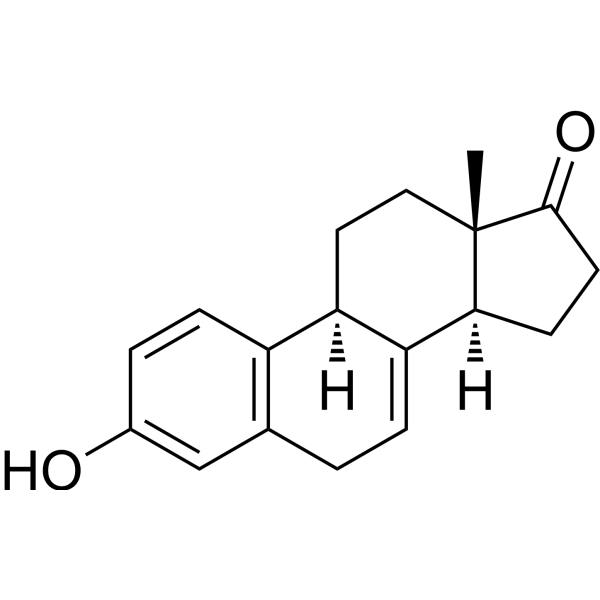 0 ImagesEquilin (7-Dehydroestrone) is an important member of the large group of oestrogenic substances and is chemically related to menformon (oestrone). Equilin increases the growth of cortical neurons via an NMDA receptor-dependent mechanism.
-
β-Estradiol 17-acetate
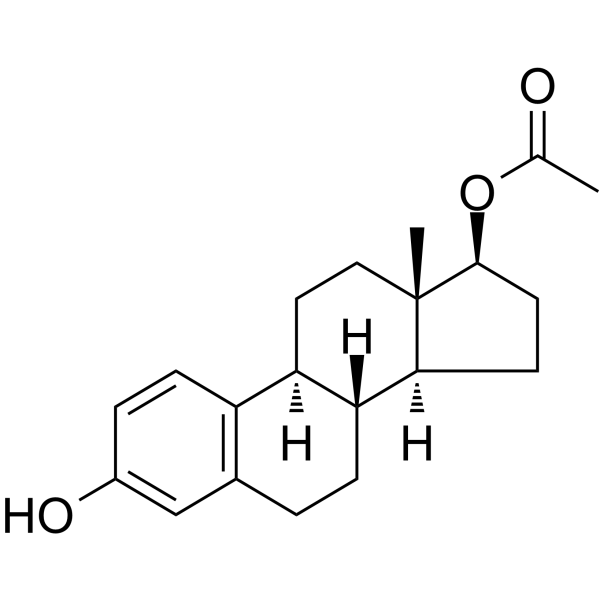 0 ImagesSynonyms: 1,3,5(10)-Estratriene-3,17β-diol 17-acetateβ-Estradiol 17-acetate (1,3,5(10)-Estratriene-3,17β-diol 17-acetate) is a long-acting endogenous estrogen precursor and also a cell viability and proliferation enhancer. β-Estradiol 17-acetate promotes the adhesion and proliferation of freshly isolated and revived female-derived human brain microvascular endothelial cells, and reverses the decreased viability of revived male-derived human brain microvascular endothelial cells. β-Estradiol 17-acetate exerts the microvascular protective effect of estrogen, enabling non-tumor human brain microvascular endothelial cells to be cultured in vitro for 2 months after cryopreservation. β-Estradiol 17-acetate is biotransformed into β-estradiol via hydrolase action in the in vitro skin of humans, hairless dogs, rats and hairless mice.
-
H3B-6545
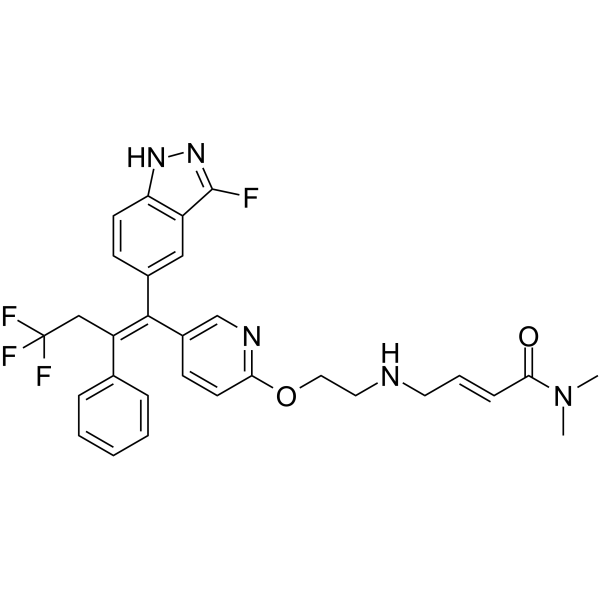 0 ImagesH3B-6545 is an oral, selective estrogen receptor covalent antagonist (SERCA) for the research of metastatic ER-positive, HER2-negative breast cancer.
-
Pipendoxifene hydrochloride
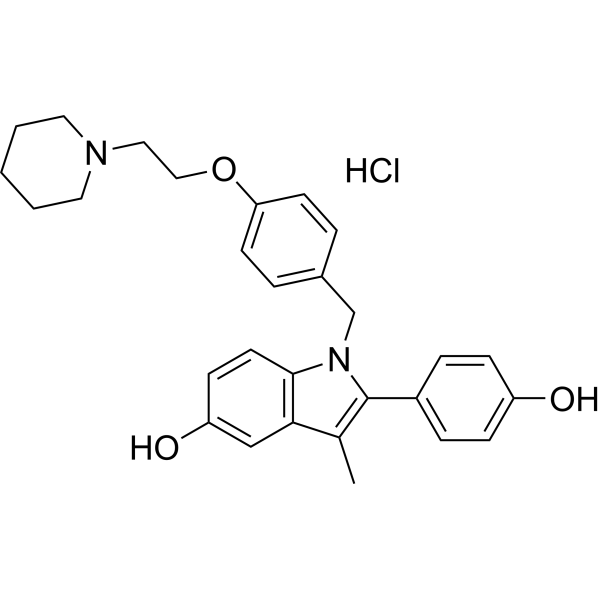 0 ImagesPipendoxifene hydrochloride is a selective estrogen receptor modulator (SERM) that can be used for the research of breast cancer.
-
Cholesterol-d6
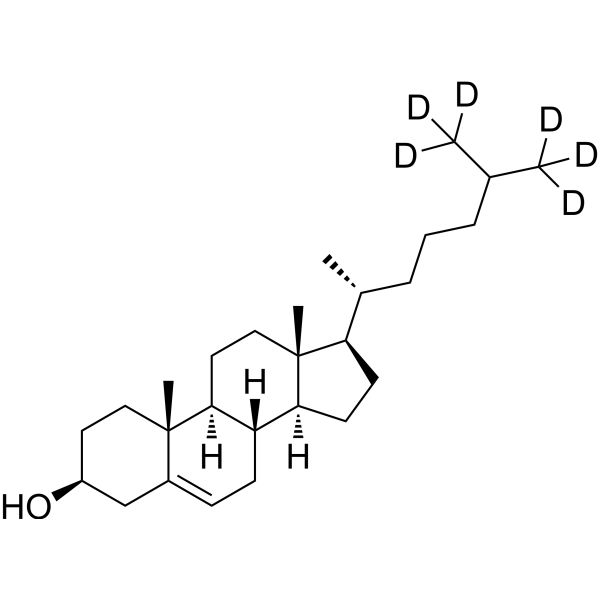 0 ImagesCholesterol-d6 is the deuterium labeled Cholesterol. Cholesterol is the major sterol in mammals. It is making up 20-25% of structural component of the plasma membrane. Plasma membranes are highly permeable to water but relatively impermeable to ions and protons. Cholesterol plays an important role in determining the fluidity and permeability characteristics of the membrane as well as the function of both the transporters and signaling proteins. Cholesterol is also an endogenous estrogen-related receptor α (ERRα) agonist.
-
4,4'-Sulfonyldiphenol-d8
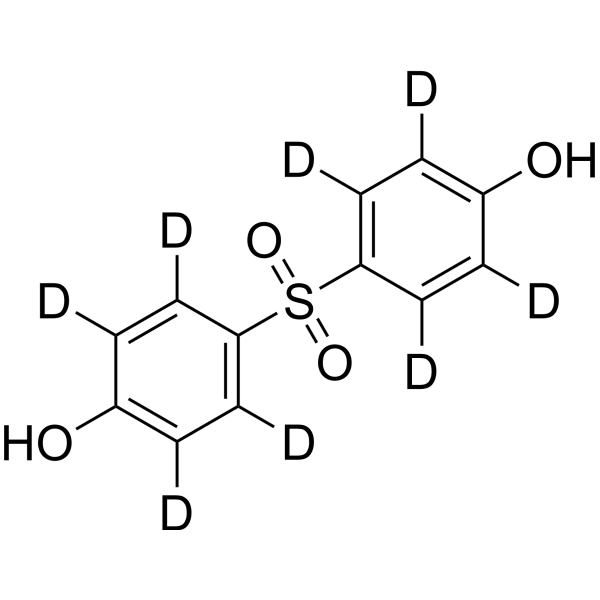 0 ImagesSynonyms: Bisphenol S (4,4'-Sulfonyldiphenol)-d84,4'-Sulfonyldiphenol-d8 (Bisphenol S (4,4'-Sulfonyldiphenol)-d8) is the deuterium labeled 4,4'-Sulfonyldiphenol (HY-W011927).4,4'-Sulfonyldiphenol (Bisphenol S; Bis(4-hydroxyphenyl) sulfone), a substitute for Bisphenol A (HY-18260), is widely used in industrial and consumer products. 4,4'-Sulfonyldiphenol is an estrogen receptor (ER) agonist and can competitively bind to thyroid hormone receptors (TR) with IC50 values for TRα and TRβ are 2650 μM and 2294 μM respectively, thereby affecting breast development and reducing the expression of androgen receptor (AR) in fetal testes. 4,4'-Sulfonyldiphenol promotes the progression of glioblastoma by upregulating the EZH2 mediated PI3K/AKT/mTOR pathway. Under chronic exposure, 4,4'-Sulfonyldiphenol can cause significant lipid deposition and dyslipidemia in the mouse liver by upregulating JunB and Atf3, and has a role in causing obesity at low doses. 4,4'-Sulfonyldiphenol induces intestinal inflammation by altering the intestinal microbiome. 4,4'-Sulfonyldiphenol accelerates the progression of atherosclerosis in zebrafish embryo larvae.
-
Endoxifen (Z-isomer)
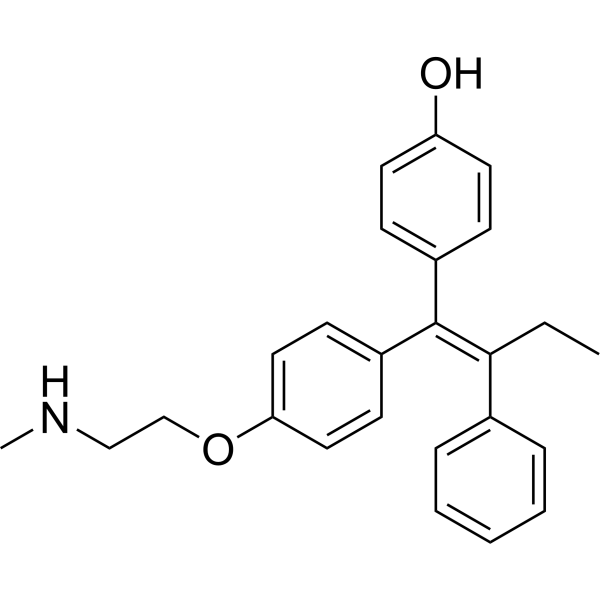 0 ImagesEndoxifen Z-isomer is an orally active selective PKCβ1 inhibitor with an IC50 of 360 nM against human PKCβ1. Endoxifen Z-isomer also acts as an estrogen receptor modulator and antiestrogen. Endoxifen Z-isomer binds to and blocks ERα, ERβ and PKCβ1, inhibits estrogen and PI3K/AKT/mTORC1 signaling pathways, suppresses the expression of genes associated with cell cycle, cell proliferation and extracellular matrix remodeling, and induces apoptosis, reactive oxygen species (ROS) production and hypoxic features. Endoxifen Z-isomer inhibits tumor growth in breast tumor and glioblastoma models, reduces bone turnover and blood lipid levels, and does not require metabolism via CYP2D6. Endoxifen Z-isomer can be used in research related to ER+ breast cancer, invasive breast cancer, glioblastoma multiforme, type I bipolar disorder, desmoid tumor, gynecological malignancies, melanoma and hormone receptor-positive solid tumors.
-
Octinoxate
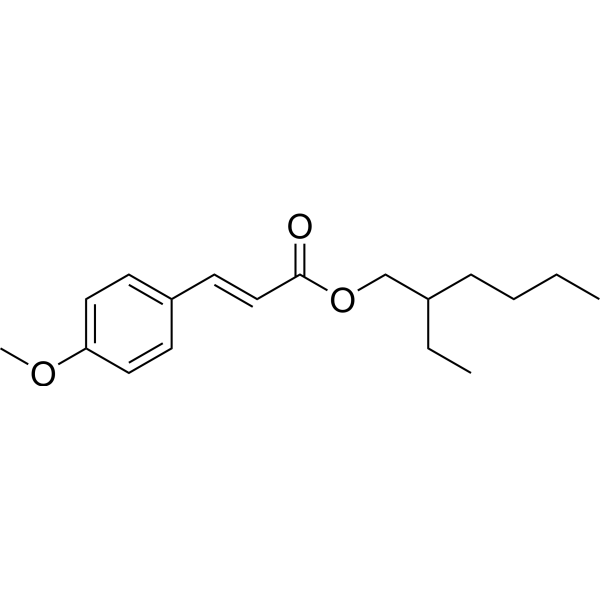 0 ImagesOctinoxate (Octyl methoxycinnamate) is a thyroid hormone receptor agonist, reducing the levels of triiodothyronine (T3) and thyroxine (T4) and transcription levels of genes related to type II deiodinase (deio2) in Japanese Medaka. Octinoxate is commonly used as a safe ultraviolet (UV) filter used in the aquatic environment. Octinoxate inhibits CYP1A1 and CYP1B1 to regulate hyaluronan (HA) (HY-B0633A) metabolism in a PI3K pathway-dependent manner in human keratinocytes. Octinoxate also exhibits an anti-estrogenic and anti-androgenic effect in vitro and in vivo.
-
Bisphenol B
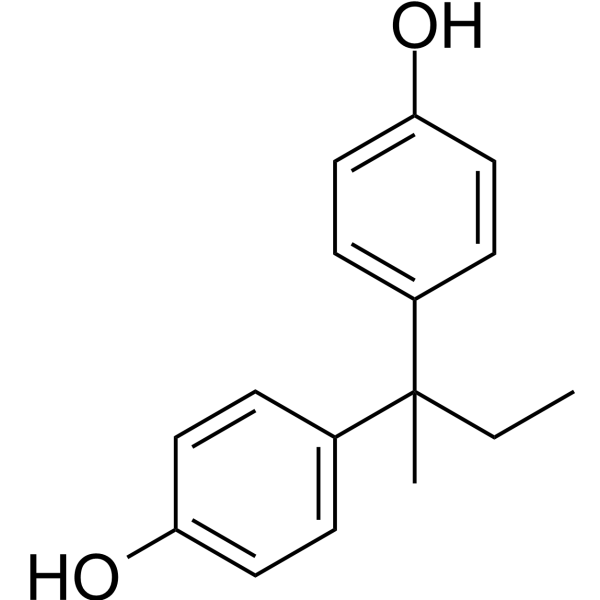 0 ImagesBisphenol B is a close structural analog of Bisphenol A (BPA) (HY-18260). Bisphenol B is a potent, orally active endocrine disruptor (ED). Bisphenol B binds to G protein-coupled estrogen receptor (GPER) (IC50 = 3.3 μM) with higher affinity and agonistic activity than BPA. Bisphenol B promotes GPER mediated cell migration. Bisphenol B exerts estrogenic effects via GPER pathway at nanomolar concentration. Bisphenol B is used in the manufacture of polycarbonate resin with ED properties.
-
Endoxifen hydrochloride
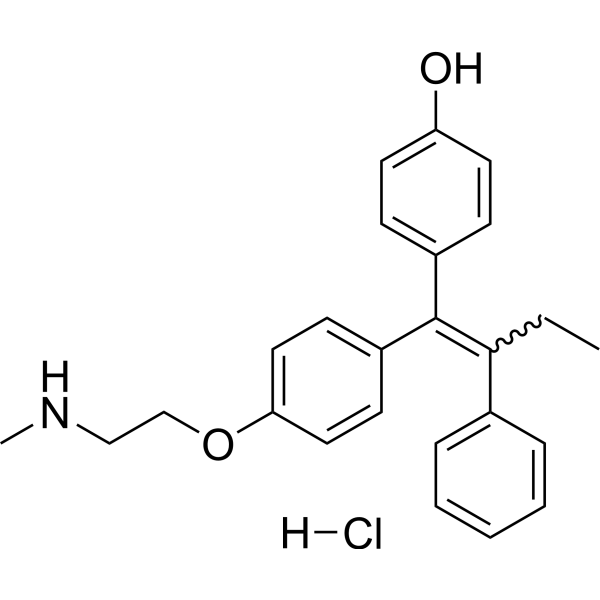 0 ImagesEndoxifen hydrochloride is a key active metabolite of Tamoxifen (TAM) with higher affinity and specificity to estrogen receptor that also inhibits aromatase activity. Endoxifen hydrochloride has the potential for breast cancer study.
-
Notoginsenoside Ft1
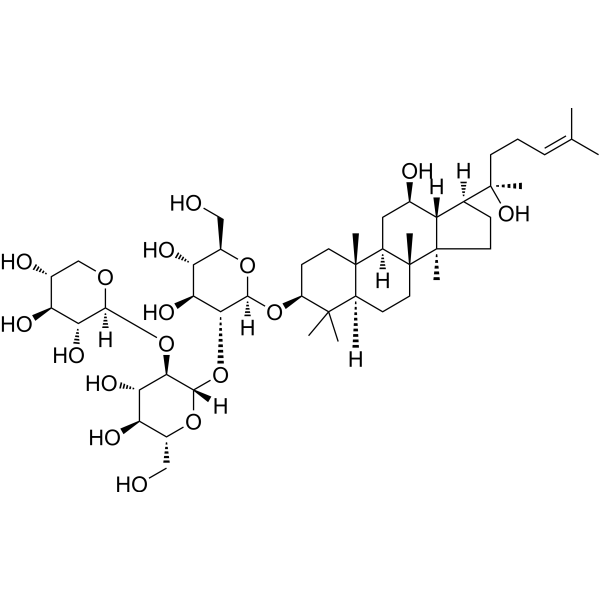 0 ImagesNotoginsenoside Ft1 is an orally active bioactive saponin. Notoginsenoside Ft1 inhibits the PI3K/AKT/mTOR signaling pathway, activates the p38 MAPK and ERK1/2 signaling pathways, and increases the proportion of CD8+ T cells, thereby inducing apoptosis and lysosomal cell death in various cancer cells, and promoting angiogenesis. Notoginsenoside Ft1 causes vasodilation by activating glucocorticoid receptors (GR) and estrogen receptor beta (ERβ) in endothelial cells. Notoginsenoside Ft1 increases intracellular Ca2+ accumulation, reduces cAMP levels by activating a signaling network mediated through P2Y12 receptors, and promotes platelet aggregation, thereby exerting a procoagulant effect. Notoginsenoside Ft1 inhibits ferroptosis (ferroptosis) in renal tubular epithelial cells by activating the TGR5 receptor, thereby demonstrating a renal protective effect. Notoginsenoside Ft1 acts as a TGR5 agonist and an FXR antagonist to combat obesity and insulin resistance.
-
Tectoridin
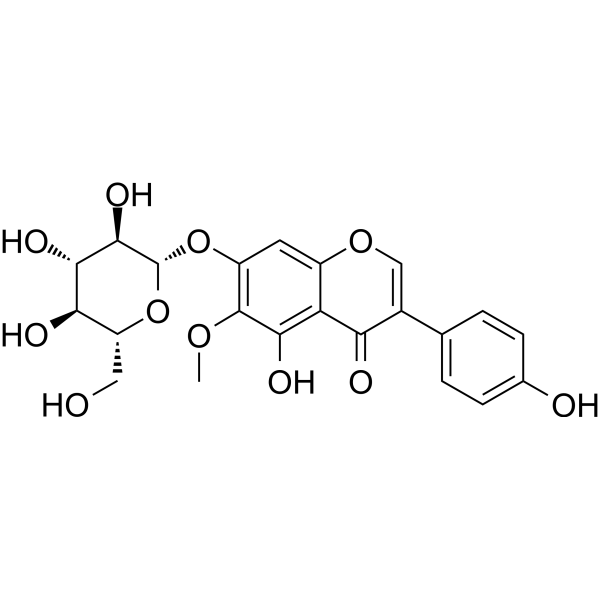 0 ImagesTectoridin is a isoflavone isolated from Maackia amurensis. Tectoridin is a phytoestrogen and activates estrogen and thyroid hormone receptors. Tectoridin exerts the estrogenic effects via ER-dependent genomic pathway and GPR30-dependent nongenomic pathway.
-
Avobenzone
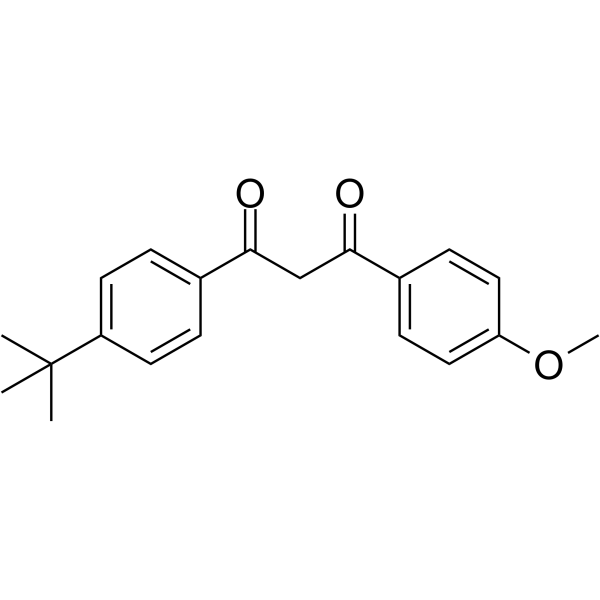 0 ImagesAvobenzone, a dibenzoylmethane compound, is one of the most widely used filters in sunscreens for skin photoprotection in the UVA band. Avobenzone is an endocrine disruptor that directly binds to estrogen receptor β and acts as an estrogen agonist.
-
Nilestriol
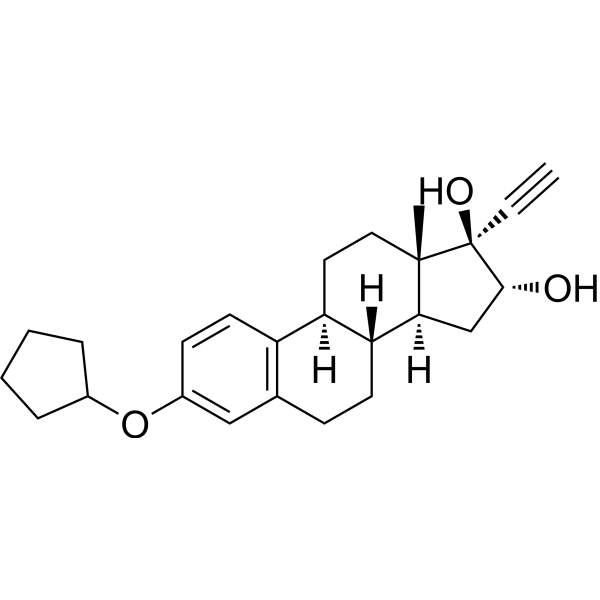 0 ImagesSynonyms: Nylestriol; EE3CPENilestriol is a estriol derivative, which inhibits osteoporosis on ovariectomized rats or postmenopausal women.
-
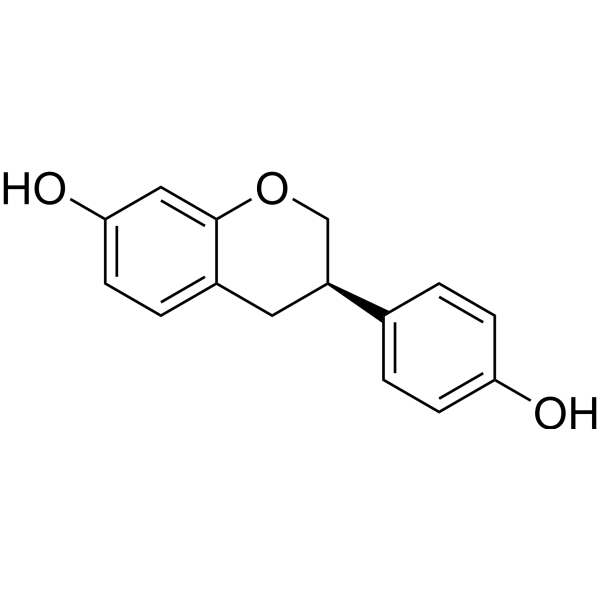
Amcenestrant
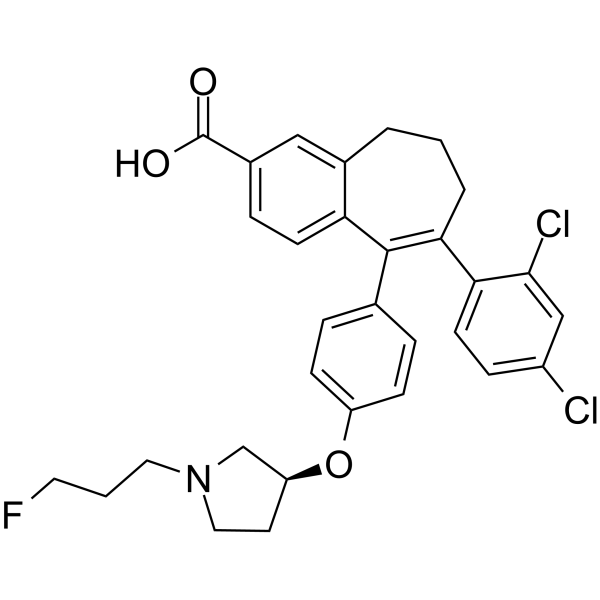 0 ImagesSynonyms: SAR439859SAR439859 (compound 43d) is an orally active, non-steroidal, and selective estrogen receptor degrader (SERD). SAR439859 is an effective ER antagonist with ER degradation activity, an EC50 of 0.2 nM. SAR439859 can show potent anti-tumor effects and limited cross-resistance in ER+ breast cancer.
-
Erteberel
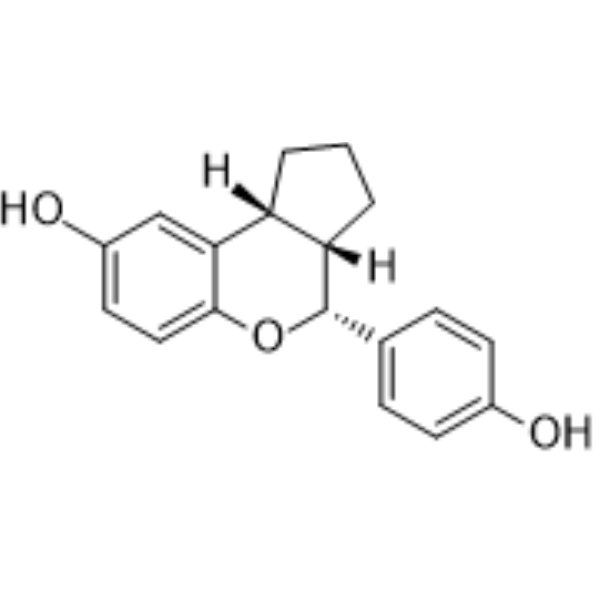 0 ImagesSynonyms: LY500307Erteberel (LY500307) is a potent and selective estrogen receptor beta (ERβ) agonist with Ki and EC50 of 1.54 nM and 3.61 nM, respectively. Erteberel has anti-tumor activities.
-
Arzoxifene hydrochloride
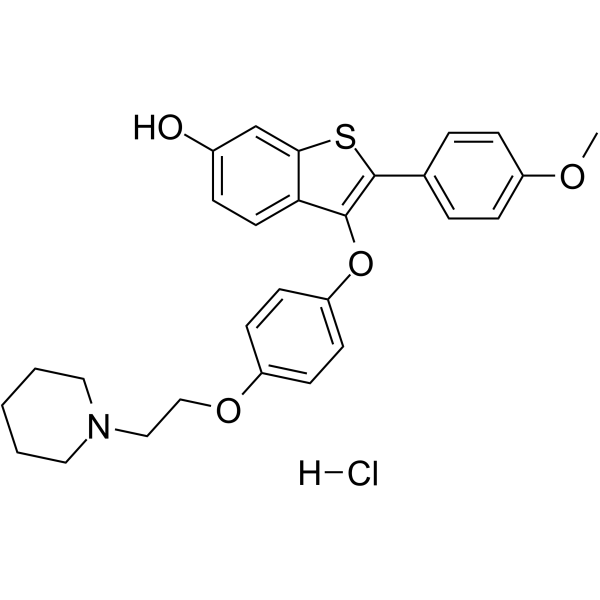 0 ImagesSynonyms: LY353381 hydrochloride; SERM III hydrochlorideArzoxifene (LY353381) hydrocloride is a selective estrogen receptor modulator that is a potent estrogen antagonist in mammary and uterine tissue while acting as an estrogen agonist to maintain bone density and lower serum cholesterol.
-
Alternariol
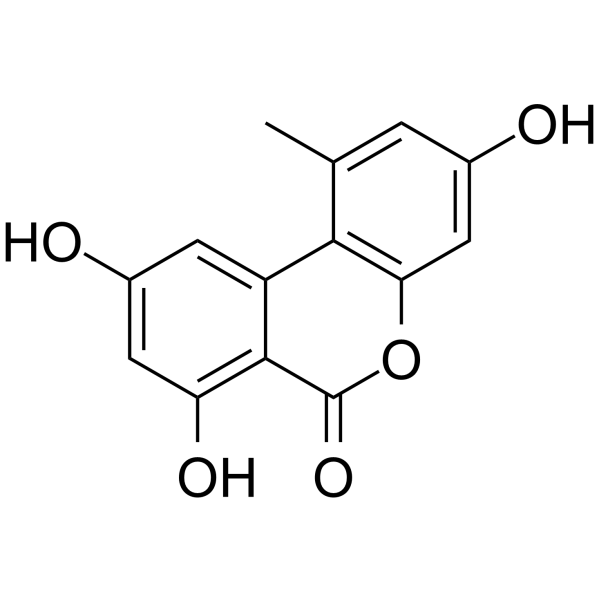 0 ImagesAlternariol is an orally ingested mycotoxin produced by Alternaria, capable of inhibiting the activity of topoisomerase I and II (topoisomerase I, topoisomerase II). Alternariol has weak estrogenic (Estrogen Receptor/ERR) and androgen/antiandrogen (Androgen Receptor) effects. Alternariol can induce apoptosis, trigger cell cycle arrest, suppress innate immune responses, and exhibit anti-tumor activity. Alternariol has genotoxic, mutagenic, and endocrine-disrupting effects.




